
Articles Insight Directory
Translate Page To German Tranlate Page To Spanish Translate Page To French Translate Page To Italian Translate Page To Japanese Translate Page To Korean Translate Page To Portuguese Translate Page To Chinese
  Number Times Read : 201      
Categories

Accounting
Business
Career
Computers
Current Affairs
Entertainment
Finance
Internet
Internet Marketing
Legal
Self Improvement
Technology
Travel
Web Design
Writing
 
Stats
Total Articles: 12624
Total Authors: 3436
Total Downloads: 1449137


Newest Member
Mundwiller Baugus


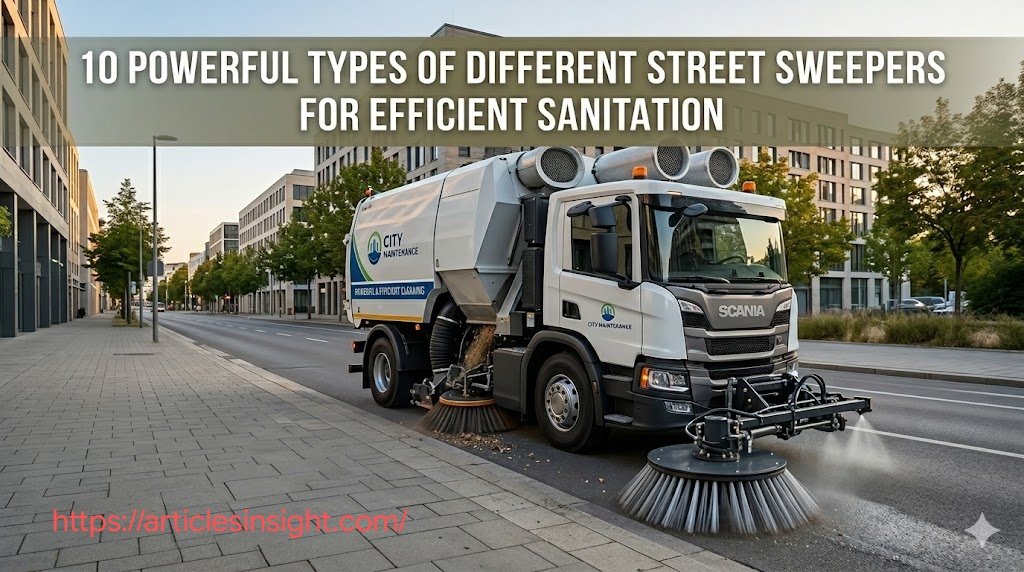
Street Sweeping Vehicles- How They Work


[Valid RSS feed]  Category Rss Feed - http://www.articlesinsight.com/rss.php?rss=191
By : Nir Dotan    99 or more times read
Submitted 2009-03-30 10:37:34
Cleanliness is a major concern to both homeowners and municipalities in the Greater Toronto Area. And since each city or municipality covers a large area of asphalted streets and other public recreation areas, cleaning has advanced to using street sweeping vehicles. Using these vehicles is an integral part of the sanitation service of any city in Ontario.

These cleaning vehicles are usually used to remove trash, leaves, paper and other debris on asphalted streets, sidewalks plowed during the winter, bridges, gutters, catch basins, recreation areas and parking lots. These vehicles are also effective in removing and reducing air pollutants or inhalable particulate matter off the street.

There are many types of street sweeping vehicles; each varies according to amount of work to be done and the location where it will be used. What were commonly seen in public roads in the past where called mechanical broom street sweeping vehicles. But later on, after a study made in Ontario, they were replaced by vehicles using Regenerative Air. Aside from what are commonly seen on streets, there are also those used in industrial plants which are called industrial sweepers. This type of vehicle is used to reduce dust and clean up spills in construction sites and industrial plants.

The Mechanism Behind Street Sweeping Vehicles

But no matter what type of street sweeping vehicle there is, they more or less have the same mechanism inside; they work the same way. The older types of vehicles have heavy duty brushes which loosen street debris. When brushing is not enough, a flush of water is done as well.

After debris is loosed, a vacuum works to collect the debris which is sent to a conveyor. The conveyor then transfers the debris to an attached hopper. During the initial spring cleaning in Ontario that street cleaning is most difficult, hoppers are not often enough to hold collected street debris and additional trucks are required.

Regenerative Air Used on Modern Street Sweeping Vehicles

Most modern types of street sweeping vehicles do more than just clean streets. They also reduce the amount of air pollutants or particulate matter on the street. The Regenerative Air Street Sweeping vehicle for instance is one of these and is used in municipalities across the GTA. Aside from heavy duty bristles, these vehicles also use blowing air to remove debris off the street.

Because of the blower, an opposite force of air or vacuum is formed and acts to collect the debris off the street. Then the debris goes into the hopper where it is sprayed with water so it stays on the bottom. But even when debris and dirt are transferred to the hopper, small amounts are still carried by the air that goes back to the blower. To remove this dirt, modern types of vehicles have screen which filters the air for dust particles.

Another effective feature that modern types of street cleaners have is flaps. They work to minimize the amount of dirt released in the vicinity and maximize the vacuum process. Usually, two flaps are visible: one in front of the brushes and one behind the suction or vacuum tube.

Recycling Collected Wastes

Street debris and other wastes are not just dumped anywhere after they are collected. They are screened and divided to be sent to specific waste management sectors. The first screening that happens is usually done to separate debris from dirt or sand which is made available for land filling for construction projects. Then depending on the city waste management policies, debris are sent to varying facilities where they are either recycled, turned into compost or disposed the proper way.
Author Resource:- Nir Dotan Nir Dotan is a writer and promoter of street sweeping and street sweeping
Article From Articles Insight

HTML Ready Article. Click on the "Copy" button to copy into your clipboard.


Firefox users please select/copy/paste as usual
New Members
select
Sign up
select
Learn more
Affiliate Sign in
What's New
 
Nav Menu
Home
Login
Submit Articles
Submission Guidelines
Top Articles
Link Directory
About Us
Contact Us
Privacy Policy
RSS Feeds

Actions
Print This Article
Add To Favorites

 
Sponsors