
Street sweeping a highly populous urban center needs not only able hands and readily available resources but effective and efficient policy-making as well. Considered as one of the world's cities that have the most diverse mix of culture and at the same time, ranked as the safest large metropolis in the American continent, Toronto has made street sweeping a very fundamental activity to keep the metropolitan allure forever gleaming.
With almost five and a half million people living in the Greater Toronto Area, flushing the streets of unsightly garbage, waste, snow, and other natural debris to preserve the enduring beauty and charm of this thriving metropolis as the cultural, entertainment, and financial capital of, not only Ontario, but the whole of Canada as well.
GTA, as the metropolitan area is more popularly called, is home to about 1500 parks and more than 8000 hectares of ravines, valleys, natural parks, wildlife areas, and farmland. This city in the province of Ontario is also a health enthusiast's paradise with almost 200 kilometers of bicycle lanes, almost 8 kilometers of pedestrian walkways, and three million publicly-owned trees. These geographic features make street sweeping all the more important and crucial in the Canadian daily affairs and effectively addressed and implemented by the metropolis' local government.

Efficient street sweeping is implemented by local authorities using advanced technology especially in roads that lead to its large public transport system facilities. Street sweeping the more that 10,000 roads, stretching to more than 5,000 kilometers of concrete streets intersecting at more than 20,000 different points, becomes a major undertaking that is effectively managed by the metropolis' technology. The management of the city's resources is an important affair of the local government and, as such, measures are undertaken each day to ensure that these resources are effectively monitored and controlled.

With the city mayor and 44 city councillors making up the City Council, city services such as snow management, leaf picking, garbage and waste, and snow water removal, among others are efficiently provided to the city's constituents through the meticulous use of technology. Furthermore, the policy-making body of the metropolis ensures that the sentiments of the city constituents are effectively heard and reflected in the decisions that are undertaken. This is very crucial in ensuring that city services are geared towards the improvement of the quality of life and the alleviation of discomfort and or suffering of the constituents. The city's millions of constituents can partake in the decision-making process of the local government through a "Window in the Council" feature in the city's web site to make sure that the voice of the many are heard.
The model of the city's governance rests on the principles of accountability, openness, accessibility, and ethics such that an Auditor General and an Integrity Commissioner are appointed to make sure that city government officials remain loyal to their oath of service to the people. This measure pre-empts any intentions of graft and corruption and other fraudulent activities of government officials as the penalty for such incursions are stiff.
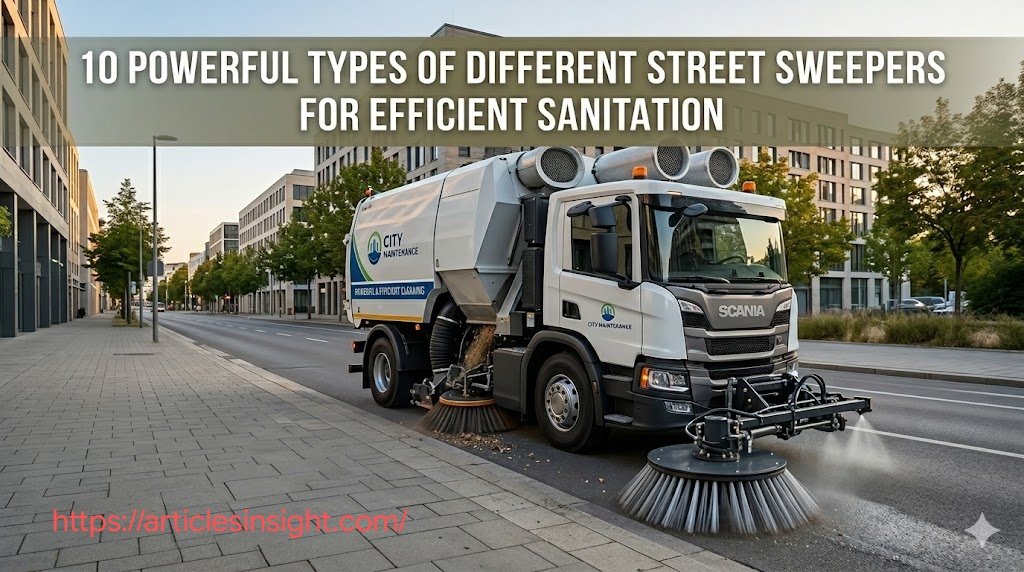
In the city's street sweeping services, the City Council appoints a department head to lead the team of resources in making sure that this important service is implemented effectively and efficiently. This street sweeping service is further facilitated by the use of appropriate technological advances which Canadians are known for.